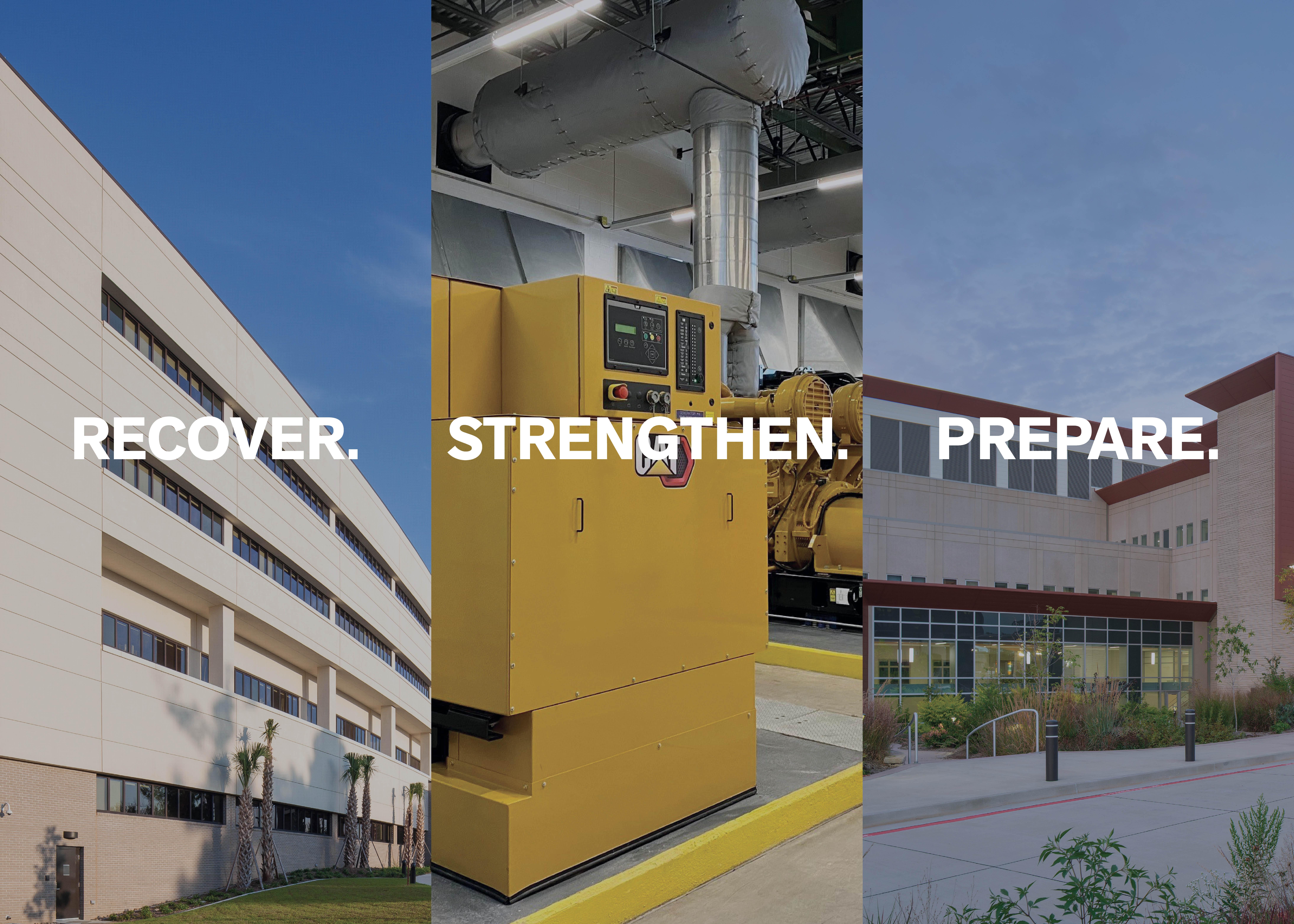
August marks the heart of hurricane season, when healthcare organizations across the Southeast are watching forecasts, reviewing emergency plans, and preparing facilities for severe weather.
For hospitals, resilience carries particularly high stakes. Patients cannot always be moved. Critical systems cannot simply be shut down. Care cannot wait for conditions to improve.
But hurricanes are only one test of resilience. Aging infrastructure, power failures, severe weather, and other disruptions can pose their own risks. The circumstances differ, but the demand is the same. Hospitals have to keep caring for people when the unexpected happens.
Three healthcare projects show how that demand shapes decisions before, during, and after disruption.
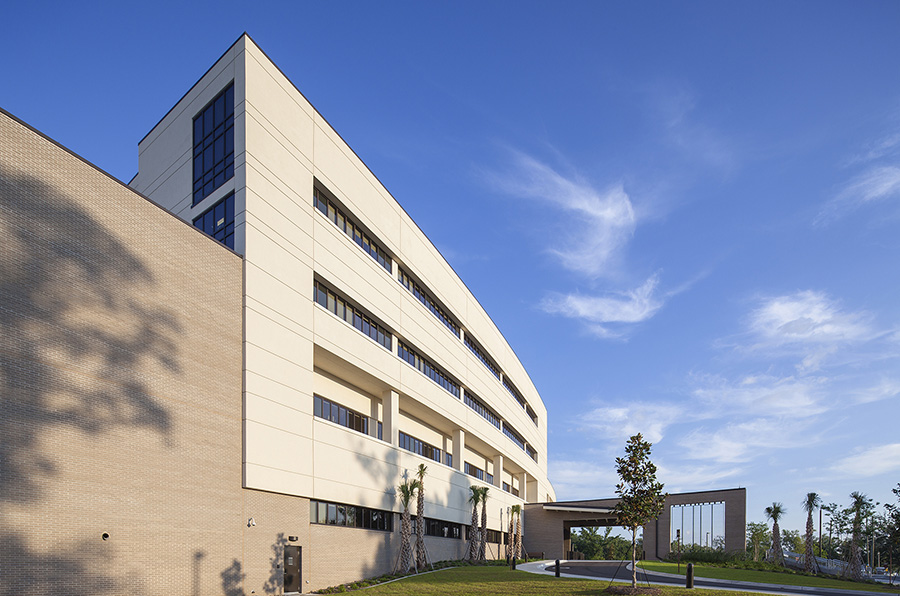
Keesler Community Hospital
When Hurricane Katrina struck the Gulf Coast in August 2005, storm surge flooded approximately half of Keesler Community Hospital in Biloxi, Mississippi. Water reached as high as four feet in some areas, damaging power systems and leaving the hospital inoperable.
Recovery offered an opportunity to address more than the immediate damage. RLF worked with NAVFAC Southeast and hospital leadership on a comprehensive master plan that considered how the campus could better withstand future storms. The team evaluated critical infrastructure and relocated high-value electronics and specialty equipment from basement areas to elevations above the flood plain. The rebuilding effort added a new central energy plant, radiation oncology clinic, and inpatient tower.
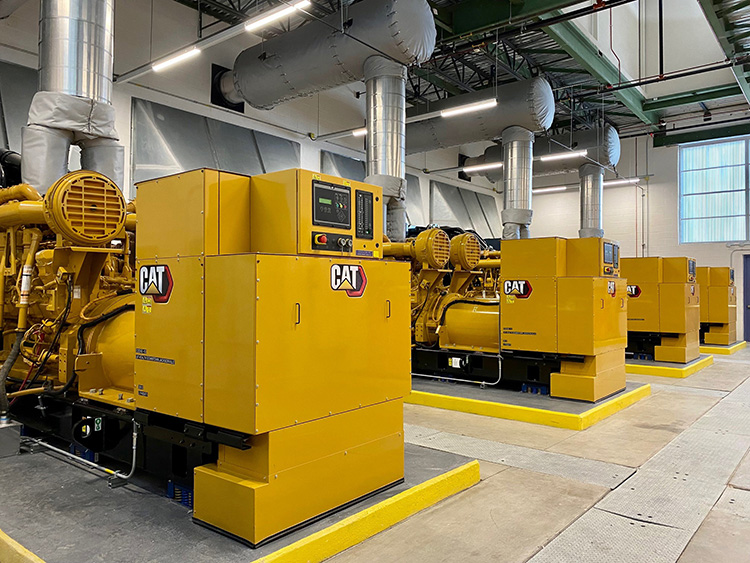
UF Health Jacksonville
Sometimes resilience means addressing vulnerabilities before they become failures.
At UF Health Jacksonville, The Stellar Group and RLF partnered as a design-build team to modernize the essential power system and other critical infrastructure within an active 695-bed hospital. The work replaced five existing generators with four larger-capacity units, expanded diesel fuel storage from 10,000 to 60,000 gallons, and added an emergency potable water system.
The challenge was doing that work while the hospital continued caring for patients.
The team developed a phased transition plan that kept existing power, water, and fuel systems operational while new components came online. Work schedules followed departmental needs and patient loads. The team evaluated field conditions continually as it encountered aging infrastructure and undocumented modifications.
The hospital remained operational throughout. Patient care guided decisions about sequencing and construction, and phased transitions kept critical power and lighting available.
Resilience in this case was not about recovering from a disaster. It was about strengthening the systems a hospital depends on every day without compromising the care happening inside.
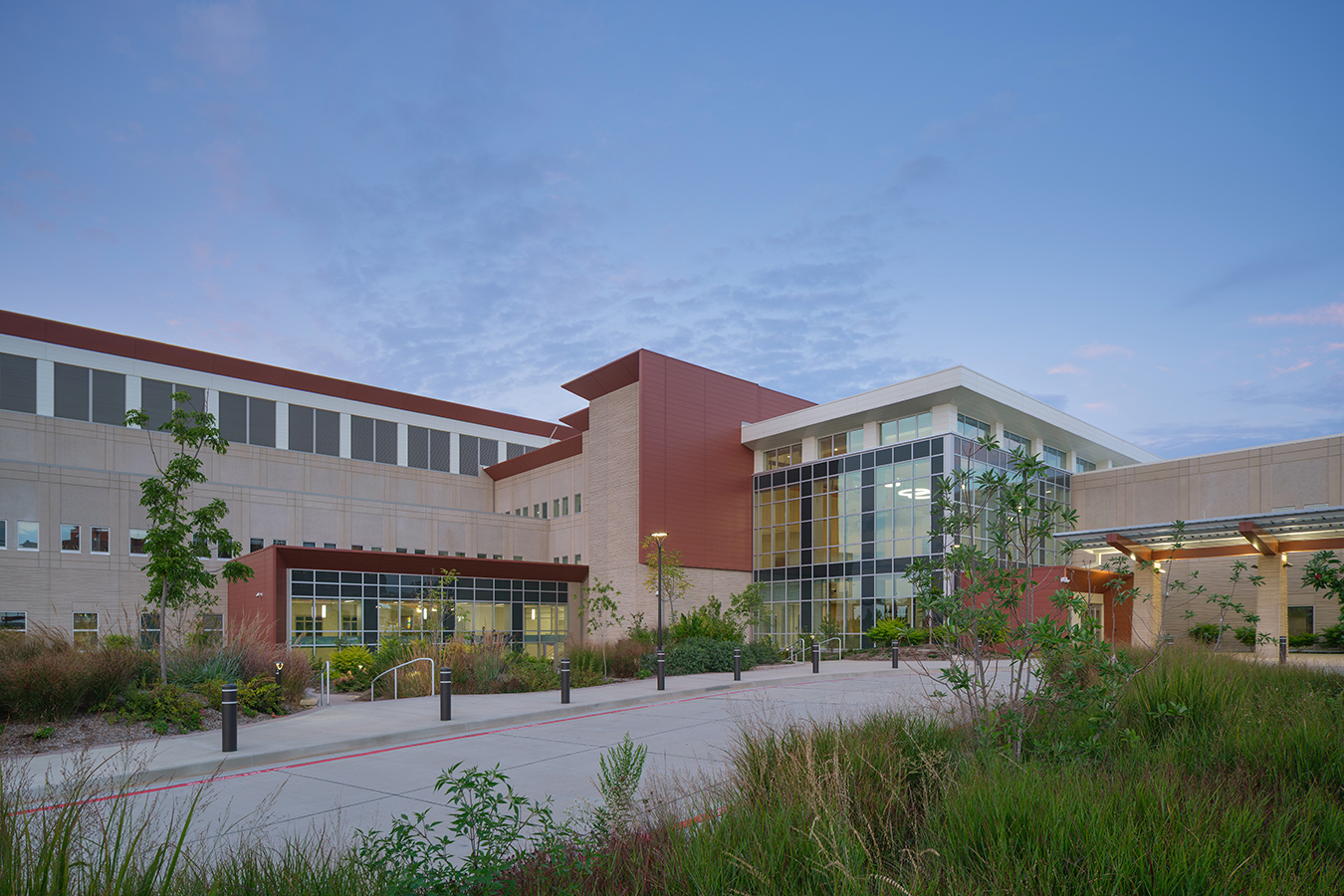
General Leonard Wood Community Hospital
Military hospitals in tornado-prone regions typically meet shelter requirements by designating an area of refuge on each floor. At the new General Leonard Wood Community Hospital at Fort Leonard Wood, Missouri, RLF and the U.S. Army Corps of Engineers Kansas City District took a different path.
The team designed the hospital's perimeter as the shelter wall. The entire building protects occupants against design winds of 250 mph, so protection extends to every occupied space instead of a set of designated zones.
That decision changes what happens during a severe weather event. Patients shelter in place. Caregivers stay with them and continue providing care while the building itself provides protection. The hospital avoids the operational risk and clinical disruption of moving vulnerable patients through corridors and elevators as conditions worsen.
Designing for Continuity
Keesler, UF Health Jacksonville, and General Leonard Wood represent three different moments in the life of a healthcare facility.
Recover. Strengthen. Prepare.
Together, they illustrate why resilience resists treatment as a single feature or emergency plan. It requires understanding what a healthcare organization depends on to keep operating, identifying where those dependencies are vulnerable, and making decisions early enough to protect patients and the people caring for them.
Hurricane season reminds us to prepare for the unexpected. For healthcare organizations, that preparation cannot be seasonal.
A resilient hospital gives caregivers the systems and spaces they need to keep caring for patients, even when conditions around them change.

